
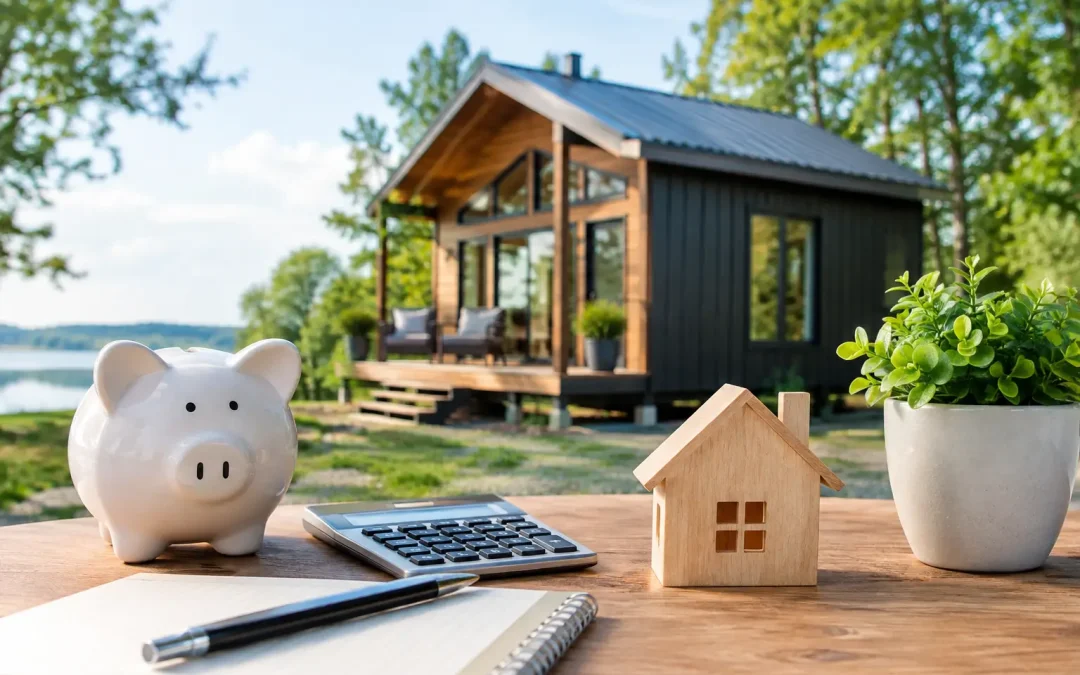
A backyard cottage can solve a real space problem without the cost, dust, and months of disruption that come with a full home addition. The right prefab cottage financing options can make that solution workable now, whether you need a guest suite for family, a quiet home office, or a comfortable space for rental income. The key is matching the loan to the project, your property, and the payment you can comfortably carry.
A factory-built cottage often has a clearer price and a faster installation timeline than traditional construction. That makes planning easier, but it does not mean every lender views the purchase the same way. A cottage that is delivered and installed can be financed differently than a primary residence, a stick-built addition, or a vehicle-based tiny home.
Start With the Full Project Cost
Before comparing monthly payments, get clear on what your finished project needs to include. The cottage price is central, but the total budget may also involve delivery, site access, electrical connection, plumbing, permits, utility trenching, grading, furnishings, and local inspections. Some properties need very little preparation. Others need more work before a unit can be placed and connected.
A foundation-free installation can avoid the cost and delay of an expensive concrete slab, but buyers should still confirm local zoning, setback, utility, and permit requirements. Financing only the building while leaving no room for site work is one of the easiest ways to make a good project feel stressful.
Ask for an itemized project estimate before applying. Lenders may also want a purchase agreement, specifications, proof of income, property information, and a timeline for delivery. Having those details ready makes it easier to compare loan offers on equal terms.
Common Prefab Cottage Financing Options
There is no single best way to finance a backyard cottage. The strongest option depends on your credit profile, available home equity, cash reserves, intended use, and how quickly you want to move forward.
Personal loans for a straightforward purchase
An unsecured personal loan is often the simplest route for buyers who want a predictable monthly payment and do not want to use their house as collateral. Approval and funding can be relatively quick, which may fit a prefab cottage project with a shorter delivery schedule.
The trade-off is usually a higher interest rate and a shorter repayment term than a mortgage-style loan. That can raise the monthly payment, especially on larger cottages or projects with significant utility work. Personal loans may work best when the total amount is manageable, the buyer has strong credit, and speed matters more than achieving the lowest possible rate.
Home equity loans and HELOCs
Homeowners with substantial equity may consider a home equity loan or home equity line of credit, commonly called a HELOC. These options use the equity in your primary home, so rates can be more favorable than unsecured financing. A home equity loan generally provides one lump sum with a fixed payment, while a HELOC lets you draw funds as expenses arise during its draw period.
A HELOC can be useful when site work, utility connections, or finishing choices are still being finalized. A fixed home equity loan may suit buyers who already know their complete installed cost and want payment certainty. The serious consideration is collateral: your home secures the debt. Review the rate structure, repayment period, closing costs, and whether a variable-rate HELOC payment could increase over time.
Cash-out refinancing
A cash-out refinance replaces your existing mortgage with a new, larger one and gives you the difference in cash. This can provide a large amount of capital for a cottage and other home improvements at the same time.
It is not automatically the best value, even if the new rate looks attractive. Refinancing means evaluating the interest rate on your entire current mortgage balance, closing costs, and how long you plan to own the home. If you already have a very low mortgage rate, replacing it solely to fund a backyard cottage may cost more over the long run than a separate loan.
Manufacturer-arranged financing
Some prefab cottage providers offer financing programs or work with lending partners. This route can be convenient because the financing team understands the product, the purchase documents, and the delivery process. It can also give buyers a clearer view of possible monthly payments early in the shopping process.
Terms, availability, and approval standards vary, so compare any offered program with at least one alternative. Look beyond the monthly number. Check the annual percentage rate, loan term, origination fees, prepayment terms, and whether the loan covers delivery and installation. At Tiny House Cottages, asking about current payment options alongside your cottage quote can help you budget for the complete project rather than the structure alone.
How to Choose the Right Loan Structure
A low monthly payment is helpful, but it should not be the only decision point. A longer term can reduce the payment while increasing the total interest paid. A short term may save interest but put unnecessary pressure on your monthly budget.
Start with a payment that still leaves room for normal home maintenance, savings, and unexpected expenses. Then compare the total cost of borrowing across several loan terms. If the cottage will support an adult child, aging parent, remote-work business, or rental plan where allowed, think through the value it provides without relying on optimistic income assumptions to make the payment work.
Consider these four questions before signing:
- Does the loan cover the cottage, delivery, utilities, permits, and site preparation?
- Is the interest rate fixed or variable, and could the payment change?
- Are there fees or penalties that increase the real cost of borrowing?
- Will the payment remain comfortable if other household expenses rise?
For many buyers, the best choice is not the largest amount they qualify for. It is the amount that delivers a finished, useful space while protecting financial flexibility.
Improve Your Approval Before You Apply
A few practical steps can strengthen an application. Check your credit reports for errors, pay down revolving balances if possible, and avoid opening several new credit accounts right before seeking financing. Gather recent income documents, tax returns if you are self-employed, bank statements, and details on your existing mortgage or property taxes.
If you are using home equity, ask the lender how they determine your available equity and whether an appraisal is required. If you are applying for an unsecured loan, ask how multiple rate checks are handled and whether prequalification uses a soft credit inquiry. These small details can help you shop with more confidence.
It also helps to separate must-have features from upgrades. A full bathroom, insulated walls, plumbing, appliances, and a kitchenette may be essential for a guest cottage or independent living space. Premium finishes, specialty exterior colors, or extra built-ins can be added if they fit the budget, but they should not force you into a payment that feels tight every month.
Avoid Financing Gaps That Slow the Project
Do not assume a lender will treat every backyard structure like a conventional home. Some lenders have limits based on loan purpose, property type, or the amount requested. Others may require that the building be permanently attached to a foundation, while certain prefab cottages are designed for simpler placement. Get the lender’s requirements in writing before you commit.
Likewise, do not overlook local rules. A cottage intended as a guest room, office, or studio may have different zoning implications than one intended for long-term rental occupancy. Confirm what is permitted on your property before using projected rent as part of your financial plan.
The strongest projects pair a well-built cottage with a realistic financing plan. Request complete pricing, reserve a sensible contingency for site work, compare more than one funding path, and choose the payment that lets you enjoy the added space from day one.
Recent Comments